
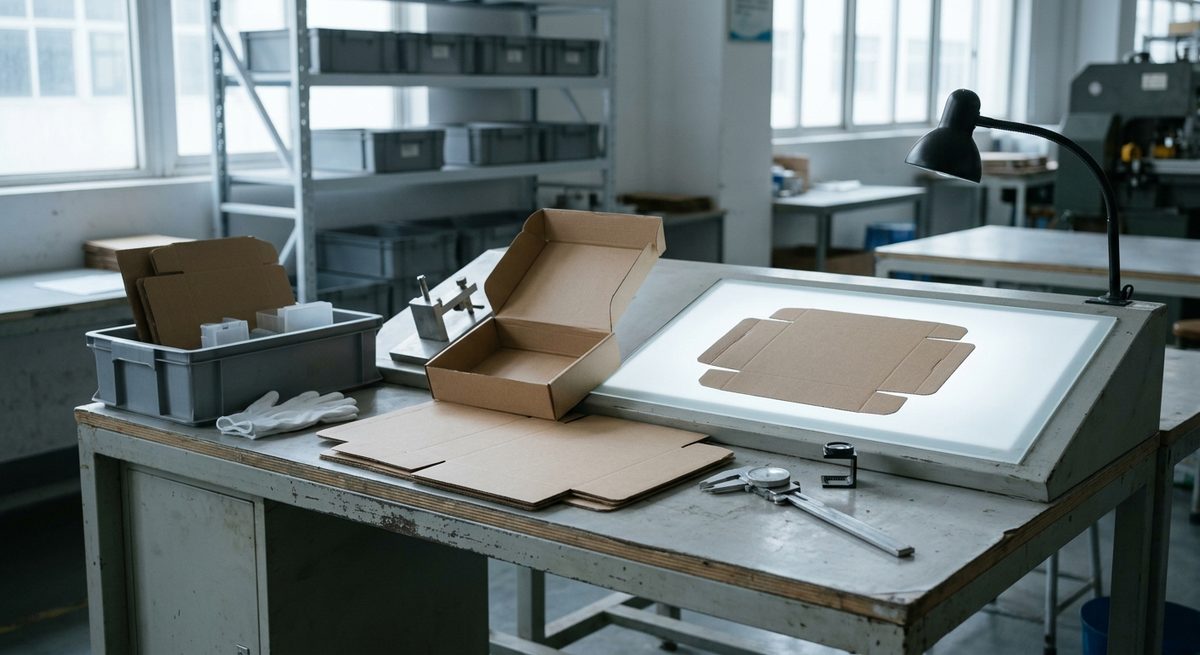
Run a thumbnail along the painted edge of a belt and press. If the paint lifts, cracks or feels gummy, that belt won’t survive six months of daily buckling. Small leather goods live or die on details this size, which is why inspection matters more for belts than their simple shape suggests. If you’re planning to import leather belts from China, it’s worth knowing exactly which defects this product suffers from and how a proper inspection catches each one before the cartons seal. Most of what follows comes from years of checking orders in Shiling, the leather goods town in Guangzhou’s Huadu district.
The defects that fill belt rejection reports
Belts fail in predictable ways. Across inspections of this category, the same faults come up again and again:
- Edge paint cracking, bubbling or applied in a single thin coat instead of two or three.
- Buckle plating with pores, scratches or thin spots that’ll tarnish at the corners first.
- Stitching that wanders off the crease line or stops short of the buckle fold.
- Holes punched off-centre or with rough exit burrs on the back of the strap.
- Colour variation between belts cut from different hides in the same order.
- Splitting at the fold where the strap wraps the buckle bar, usually a skiving problem.
- Musty smell or bloom from damp storage before packing.
A good inspection plan is simply this list turned into checkpoints, with a tolerance agreed for each point before production starts. Not argued about afterwards. That order matters.
Edge paint: the first thing to crack
Edge finishing is what separates a convincing belt from a cheap one. Done properly, the strap edge gets sanded, painted, dried, sanded again and repainted, sometimes with heat sealing between coats. Done quickly, one coat goes on and the belt looks fine in photos for exactly as long as nobody flexes it. You can smell the difference before you see it, oddly enough. The finishing benches in a serious Shiling workshop give off a faint nail-varnish tang from the edge paint drying in racks, coat after coat, and rows of belts hang there waiting for their second pass. During inspection we flex each sampled belt around a cylinder roughly the diameter of a wrist and watch the edge, and we scratch-test with a fingernail on the inner face where a mark doesn’t matter. Factories there know both tests well. Agreeing them in advance keeps inspection day calm. If your design uses raw burnished edges instead of paint, the check changes to wax coverage and colour depth, so write the finishing method into the spec.
Buckles, plating and the corrosion question
The buckle is a bought-in component, typically zinc alloy with a plated finish, and it drives more complaints than the leather does. You can’t judge plating by eye on day one. What inspection can do is sample buckles for a salt spray test at a lab when the order justifies it, or at minimum run an abrasion check and verify the plating supplier’s own test report for the lot. Nickel release matters too, since the buckle touches skin and many markets regulate it. Ask for current nickel release documentation on the actual buckle batch, not a certificate from two years ago. And weigh a sampled buckle. A lighter casting than the approved sample is the classic quiet substitution, and a pocket scale finds it in seconds.
How AQL sampling works on a belt order
Nobody checks every belt in a five thousand piece order. Nobody needs to. Standard practice is AQL sampling: a defined random sample drawn across cartons, inspected against the agreed defect list, with acceptance limits set separately for critical, major and minor faults. For small leather goods a common setup is level II sampling with a tighter limit on majors than minors, though the right numbers depend on your market and price point. Honestly, the statistics aren’t the useful part for a buyer. The discipline is. Cartons chosen by the inspector rather than the factory, belts pulled from the middle of stacks, every measured belt logged with photos. Add a pull test on the buckle attachment and a measurement of strap width and hole spacing against the tech pack, and the picture’s complete.
Checks that happen before the final inspection
The final inspection is the last gate, not the only one. On belt orders we push two earlier checks. First, a material verification when the leather lands at the factory: thickness measured with a gauge, grain checked against the approved swatch, tannery lot recorded. Second, a first-off review when the initial dozen belts come off the line, because a skiving or folding fault found at piece ten costs nothing compared with the same fault at piece four thousand. You don’t have to be in China for any of this. Buyers who come see far more though. We regularly host clients who want to meet us in China and visit the factories themselves, and a morning in a Shiling workshop teaches more about edge paint and skiving than any report can.
One page that changes how the factory works
Pull it all together and a belt inspection brief should name the leather type and thickness with tolerance, the edge finishing method and flex test, the buckle material, plating and nickel release documentation, stitch count per inch, hole punching quality, colour tolerance against a master swatch, packing method with silica gel, and the AQL levels for each defect class. One page is enough. Attach it to the purchase order and the factory knows the goods will be measured against it, and in my experience that single page changes behaviour more than any negotiation does. Everyone works differently when the finish line is visible. For buyers building their own label, the same brief grows naturally into embossing depth, keeper logos and gift box print quality, which is where our brand building support usually joins the project.
Three questions belt buyers raise about inspection
Can inspection tell whether a belt is full grain or a laminated split?
Usually yes. A cross-section cut on one sacrificed belt shows the layer structure immediately, and the grain surface behaves differently under a crease test. This is exactly why the plan should let the inspector destroy a unit or two.
What sample size makes sense for a first belt order?
For a typical first order of a few thousand pieces, standard level II sampling means checking a defined random sample in the low hundreds. The precise count follows the AQL tables, and your inspection partner will set it from the order quantity.
Do I need lab testing on every order, or only the first one?
Companies that import leather belts from China regularly tend to run full testing on the first production run, then repeat it when a material, supplier or component changes, with spot checks in between. Markets with chemical compliance rules for leather goods set their own retest rhythms, so confirm what your destination requires.
Our team works from Guangzhou and inspects leather goods in Shiling and across Huadu every month. If a belt or small leather goods order is taking shape, message us through the contact form or WhatsApp. We’ll vet the factory, run the checks described here, and welcome you in person in Guangzhou whenever you’re ready to see the production yourself.
Read next
What Drives the Price of a Cap? Cost Anatomy from Guangzhou Factories
Understand the real unit cost before you import caps from China: fabric, embroidery stitch counts, tooling and freight,…
A Backpack Order from Guangzhou, Traced from Enquiry to Delivery
Follow a real order path to import backpacks from China: enquiry, sampling in Baiyun, price confirmation, production checks…
Leather Handbag Orders from China: Problems Buyers Hit and Fixes
Import handbags from China with fewer surprises. The leather, hardware and colour problems that hit handbag orders, and how…