
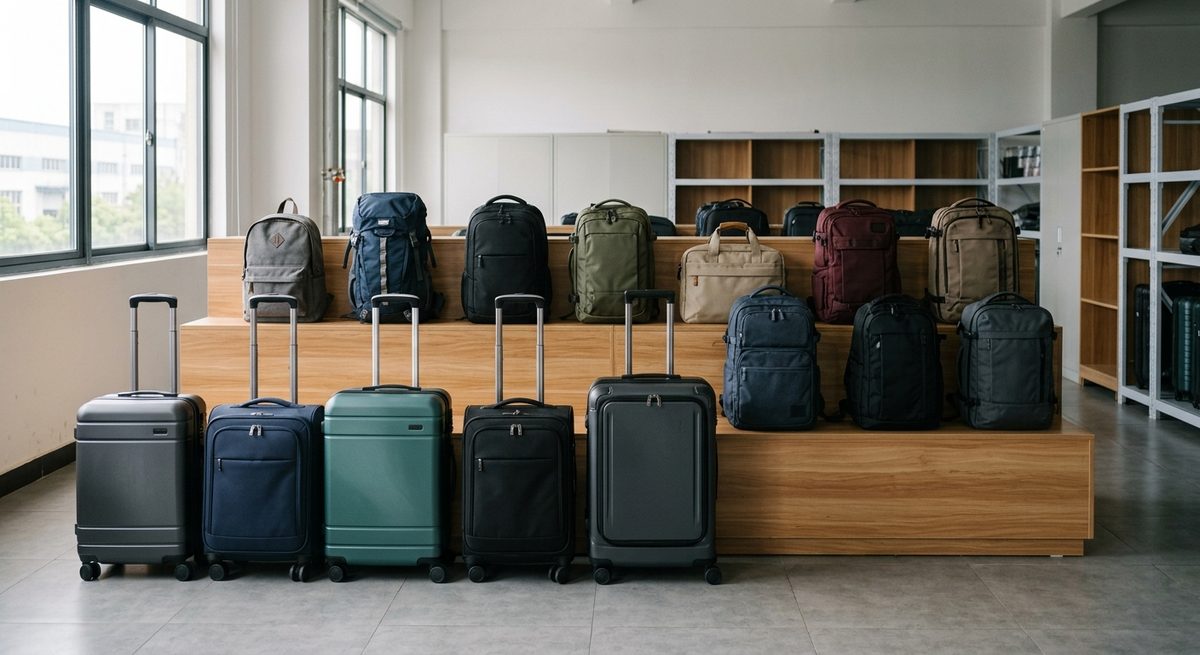
Most handbag problems are decided months before the goods reach a port. The leather got approved from a photo instead of a cutting. The zip supplier changed mid-production. Nobody opened a carton until the shipment landed. None of that is bad luck. Buyers who import handbags from China without drama treat every one of those failure points as predictable and put a check in front of it. What follows is the list of problems we see most often around Shiling, the leather goods town in Huadu district on the northern edge of Guangzhou, and what actually prevents each one.
The sample was full grain, the bulk was split
Leather substitution is the classic handbag problem. Your pre-production sample arrives in lovely full grain cowhide, and the bulk order arrives in split leather with a pigment coat, or in a PU blend that photographs identically. Sometimes it’s a deliberate cost cut. Just as often it’s a supply issue: the tannery lot ran out and the factory grabbed what it could get in time.
The prevention is simple and physical. Approve a leather cutting, not a photo, and keep a signed, dated swatch in Guangzhou plus another at your office. Write the leather type, thickness in millimetres and finish into the purchase order. Then have someone burn-test or cross-cut a piece from bulk production before assembly starts, while there’s still time to reject a lot. Having help in Guangzhou for that one check, done in person at the factory in Shiling, closes off the single most expensive surprise in this category. If you only pay for one check, pay for this one.
Hardware is where a good bag goes cheap
Buckles, D-rings, feet, magnetic snaps and zip pulls are bought in, not made by the bag factory. So when a quote needs trimming, hardware is the first place a factory looks. A lighter zinc alloy casting or a thinner plating layer is invisible in pictures. Six months later the plating wears through at the corners and your reviews say so.
Specify hardware the way you specify leather. Name the zip brand or grade you expect, state the plating type and thickness class, and ask for a hardware card with the pre-production sample: every metal part mounted on one board, approved and signed. On inspection day I still use a coin edge and a cotton cloth soaked in alcohol to see whether plating survives light abrasion. It’s a crude test. It catches real problems anyway.
When the repeat order is two shades warmer
Dye lots vary. That’s a fact of leather and coated fabrics alike, and some tolerance is normal trade practice. The trouble starts when a repeat order lands visibly warmer than the first and both sit on the same shelf in your store. To keep colour honest across orders:
- Approve colour against a physical master swatch under daylight, not under factory fluorescents.
- Have the factory hold a cutting from every production lot, labelled by order number.
- Cut the panels for one bag from one hide or one roll, so a single unit never mixes lots.
- Agree in writing what happens if a lot falls outside tolerance, before production starts.
And reorder before you’re desperate. A relaxed timeline lets the factory wait for the correct tannery lot instead of accepting the nearest match, which is what a rushed one forces.
Smell, mould and the wet season
Southern China is humid for a good part of the year, and leather drinks moisture during storage and stuffing. Walk into a Shiling workshop in June and the first thing you notice is the contact cement in the air, and the second is the dehumidifier dripping into a bucket by the packing tables. The good factories run those machines all season. It still needs to be requested in writing: silica gel in every bag and every carton, moisture barrier bags for sea freight in the wet months, and a packing area separated from any open loading dock. A container packed damp opens at destination smelling musty, with white bloom on the dark leather. If your delivery window falls between April and September, put humidity control into the order terms. Don’t assume it.
The lining, the stitching and the last five percent
Inspectors call handbags a high-touch product because the faults hide where a warehouse scan never reaches. Loose threads inside pockets. Lining seams with skipped stitches. Glue haze on suede, or a strap attachment bar-tacked once instead of twice. Each fault is small on its own, and together they decide whether the bag feels like the price you plan to charge. A pre-shipment inspection with a sensible sampling level, opening bags, turning linings out and load-testing straps, costs very little against the value of a handbag shipment. Treat it as a fixed line in the budget, not an option you might skip in a good month.
Late surprises between factory and vessel
The last group of problems shows up after production is finished. Cartons reach the forwarder crushed because someone chose single-wall board. A shipment of mixed styles arrives with no packing list breakdown, so unstuffing eats a full day. Documents name the wrong material composition and clearance stalls while your customs broker requests corrections. On duty questions, confirm the correct tariff code and rate for leather goods with your own broker in your own country before the goods ship, because classification differs by market. On the China side, consolidation and export handling through one team in Guangzhou means cartons get received, checked, repacked where needed and documented properly before anything is booked on a vessel.
Handbag buyers ask us these three questions
Can one factory make both full leather and PU versions of the same design?
Often yes, and around Shiling it’s common, since many workshops run both materials. Treat them as two separate approvals though. Pattern pieces behave differently in leather and PU, so sample and inspect each version in its own right.
What is a realistic sampling timeline for a new handbag design?
A first sample commonly takes two to three weeks once materials are agreed, and most designs need two rounds before production. Build six to eight weeks of sampling into the plan and you’ll rarely be caught out.
How late in production can I still fix a colour or hardware problem?
Material problems have to be caught before cutting, which is why the bulk material check matters so much. After assembly you’re down to rework, discount or rejection, and all three cost more than the early check would have.
We’re a sourcing team on the ground in Guangzhou, twenty minutes of planning away from the Shiling leather cluster, and we’ve worked with handbag buyers since 2007. If you’d like a second pair of eyes on your next order, or want to walk the factories with us in person, reach out through the contact form or WhatsApp and we’ll set it up.
Read next
Read next
Cartons, Kilograms and Containers: Shipping Jeans from Xintang
Import jeans from China without freight surprises. Carton weights, container loading, moisture control and shipping modes…
The Real Cost of Importing Custom Printed T Shirts from China
See what actually drives the price when you import T shirts from China: fabric weight, printing method, freight and the…
Apparel & Textiles: From Fabric to Packaging QC
Guangzhou’s apparel industry spans fabric mills, dye-houses, and garment factories. To ensure quality garments, buyers must…